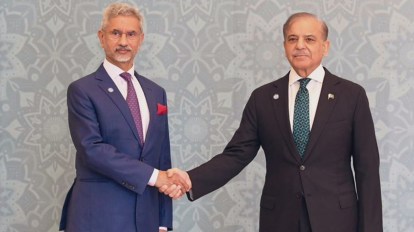
The anticipation surrounding Indian External Affairs Minister S. Jaishankar’s maiden visit to Islamabad marks a significant moment in South Asian diplomacy. This visit has generated a wave of optimism in the Pakistani press, reflecting the potential for renewed dialogue between two neighboring countries that have historically grappled with complex tensions.
Historical Context
Pakistan and India share a fraught history, punctuated by periods of conflict and attempts at reconciliation. Recent years have seen a decline in diplomatic engagements, primarily due to escalating border tensions and political rhetoric. In this context, Jaishankar’s visit is being viewed as a potential turning point. His reputation as a seasoned diplomat, coupled with his articulate approach to foreign policy, fuels hopes for constructive discussions.
Focus on Regional Cooperation
One of the primary reasons for the optimistic outlook is the growing recognition of the need for regional cooperation. Both countries face shared challenges, including economic instability, climate change, and security threats. The Pakistani press emphasizes that collaboration on these fronts could foster a more stable and prosperous South Asia. Jaishankar’s visit could pave the way for discussions on trade, environmental issues, and counter-terrorism efforts, thereby highlighting common interests.
The Role of Public Sentiment
Public sentiment in Pakistan appears to be shifting towards a more conciliatory approach. Many Pakistanis are weary of the ongoing tensions and are eager for positive change. Media outlets have pointed out that fostering better relations with India could lead to economic benefits, increased trade, and a more peaceful coexistence. This shift in public mood is likely influencing the press’s hopeful stance on Jaishankar’s visit.
The Kashmir Issue
Despite the optimism, the sensitive Kashmir issue looms large over any discussions. The Pakistani press is keenly aware that meaningful dialogue on this topic is essential for long-term peace. Analysts suggest that while Jaishankar’s visit may not resolve the Kashmir dispute, it could open channels for dialogue that might lead to incremental progress. The hope is that through sustained engagement, both nations can find common ground.
Potential Outcomes
While the expectations are cautiously optimistic, experts warn that significant breakthroughs are unlikely in the short term. However, the mere act of engagement is seen as a positive step. It signals a willingness to communicate and explore solutions. The Pakistani press advocates for continued dialogue, emphasizing that building trust takes time and requires consistent efforts from both sides.
Conclusion
S. Jaishankar’s maiden visit to Islamabad represents more than just a diplomatic engagement; it embodies the hopes of a populace eager for peace and cooperation. While challenges remain, the positive reception in the Pakistani press reflects a collective yearning for a brighter future in South Asia. The potential for dialogue to transform the current landscape is palpable, and the world will be watching closely as this narrative unfolds.
 Future Tech