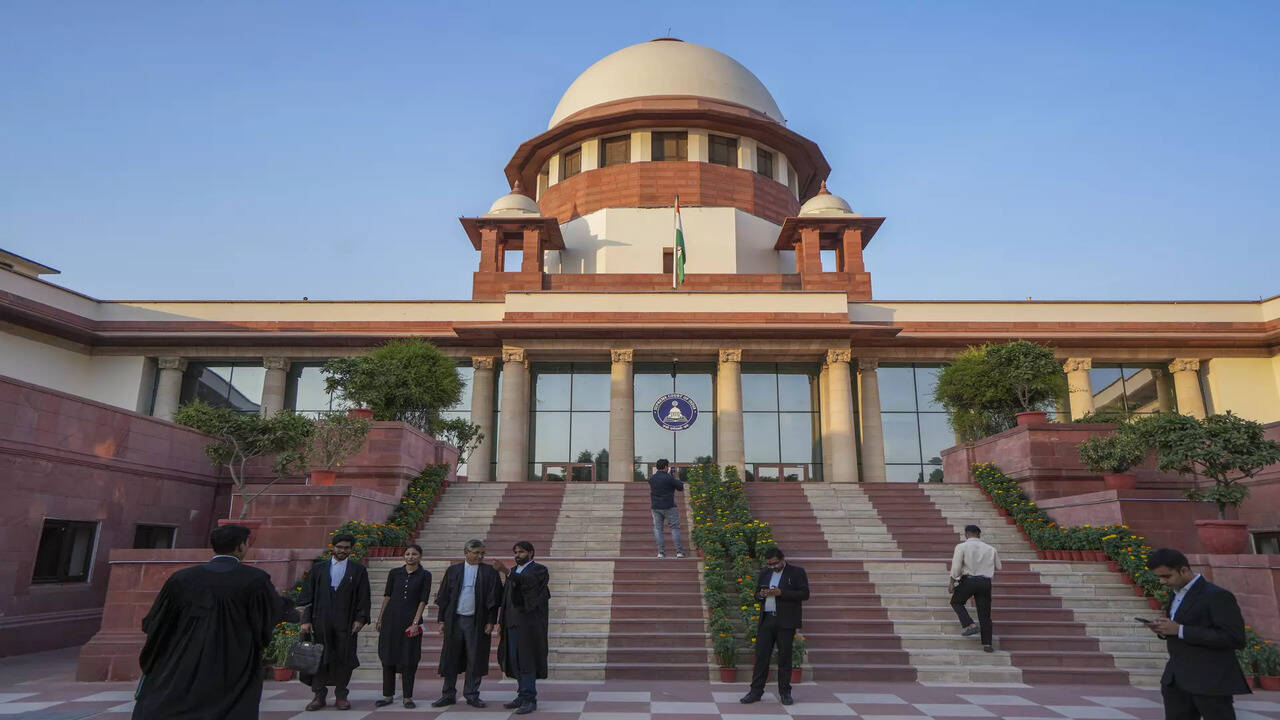
In a significant legal development, the Supreme Court of India has upheld the summons issued to Delhi Chief Minister Arvind Kejriwal regarding his statements on Prime Minister Narendra Modi’s educational qualifications. This decision comes amid ongoing political tensions and raises important questions about accountability and freedom of speech in political discourse.
Background of the Case
The controversy began when Kejriwal, during various public addresses, questioned the authenticity of PM Modi’s educational degrees. He claimed that Modi had not provided credible evidence of his academic qualifications, which led to a series of legal challenges. In response to Kejriwal’s allegations, a defamation suit was filed, arguing that his statements were defamatory and misleading.
Supreme Court’s Ruling
The Supreme Court’s recent ruling emphasizes the importance of ensuring that public figures are held accountable for their statements. The court maintained that while freedom of speech is a fundamental right, it is not absolute and must be balanced against the rights of others. By upholding the summons, the court has indicated that Kejriwal must face the legal consequences of his remarks.
Implications for Political Discourse
This ruling has far-reaching implications for political discourse in India. It raises questions about the limits of criticism against elected officials and the potential consequences for those who challenge the narratives of their opponents. Critics argue that such legal actions could stifle free speech and discourage open debate on important issues.
Supporters of the ruling, however, argue that public figures should be held to a standard of truthfulness, especially when making claims that can significantly impact public perception. The balance between free expression and responsible discourse remains a contentious issue in Indian politics.
The Political Landscape
The decision also comes at a time when the political climate in India is particularly charged. As elections approach, the stakes are high for all parties involved. For Kejriwal, this ruling could either bolster his image as a champion of accountability or serve as a setback, depending on how he navigates the situation moving forward.
Conclusion
The Supreme Court’s ruling in the PM degree row serves as a reminder of the intricate relationship between politics, law, and freedom of expression in India. As the nation grapples with these issues, the outcome of this case will likely resonate beyond the courtroom, influencing political narratives and public discourse for years to come. How leaders like Arvind Kejriwal respond to such challenges will play a crucial role in shaping the future of political engagement in the country.
 Future Tech