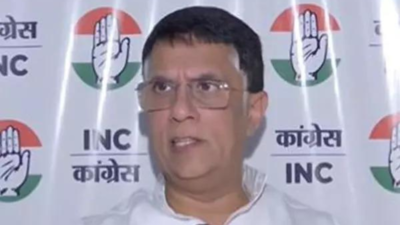
In recent developments, the Indian National Congress has expressed significant apprehensions regarding the credibility of Electronic Voting Machines (EVMs) used in elections. This comes in light of a list of 20 constituencies submitted to the Election Commission, highlighting specific issues that the party believes could undermine the integrity of the electoral process.
The Context of EVM Skepticism
The debate over the reliability of EVMs is not new in India. Critics have long argued that the machines are vulnerable to manipulation and that their operations lack transparency. Congress’s recent submission aims to bring these concerns back to the forefront, as the party prepares for upcoming elections where every vote counts.
Key Concerns Raised
The list of constituencies submitted to the Election Commission details specific incidents and anomalies observed during past elections. Congress leaders have pointed out discrepancies in vote counts, alleged instances of machine malfunction, and inadequate safeguards against tampering. They argue that these issues could significantly affect the outcome in these critical areas.
Historical Context
EVMs were introduced in India to enhance the efficiency and speed of the voting process. While they have indeed modernized the electoral framework, the lack of paper trails in many cases has led to calls for greater transparency. Various political parties, including Congress, have previously demanded a return to ballot papers or a hybrid model that incorporates both EVMs and paper ballots.
The Role of the Election Commission
The Election Commission of India (ECI) plays a crucial role in ensuring fair elections and maintaining the integrity of the voting process. In response to Congress’s concerns, the ECI has reiterated its commitment to transparency and has undertaken various measures to address potential vulnerabilities in EVM operations. However, the effectiveness of these measures is often questioned by opposition parties.
Implications for Democracy
The credibility of EVMs is a pivotal issue in the context of Indian democracy. Voter confidence in the electoral process is essential for a healthy democratic system. If significant segments of the population believe that the voting mechanism is flawed, it can lead to disenfranchisement and diminished civic engagement.
Moving Forward
As elections approach, the Congress party’s concerns are likely to resonate with voters who share similar apprehensions. The dialogue surrounding EVMs underscores the importance of continuous scrutiny and enhancement of electoral technologies. For the ECI, addressing these concerns is imperative not only for the current elections but for the long-term health of India’s democratic institutions.
In conclusion, the Congress party’s recent actions reflect a broader conversation about electoral integrity in India. With technology playing an increasingly vital role in the democratic process, ensuring the credibility of EVMs remains a pressing challenge that requires collaborative efforts from all stakeholders involved in the electoral framework.
 Future Tech