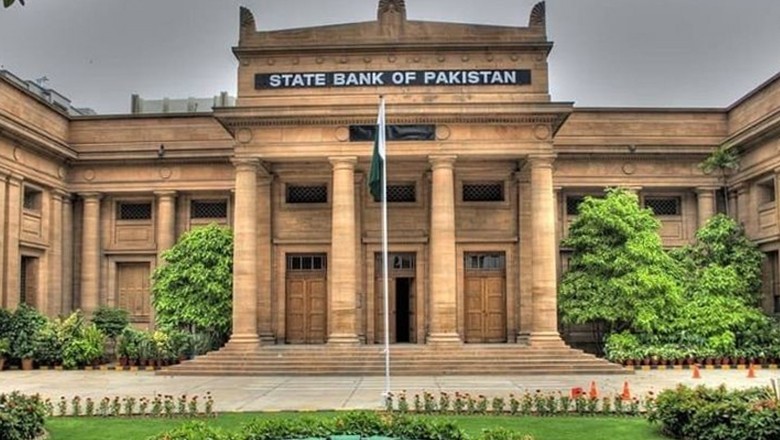
In a bold move aimed at invigorating Pakistan’s economic landscape, the central bank has announced a significant reduction in its key policy rates. The Monetary Policy Committee (MPC) of the State Bank of Pakistan (SBP) has slashed rates by 200 basis points, bringing the benchmark interest rate down to 17.5%. This decision marks a notable shift in the country’s monetary policy as it seeks to address economic challenges and stimulate growth.
Context and Rationale
Pakistan’s economy has been navigating through a complex set of challenges, including inflationary pressures, fiscal deficits, and external debt. The previous high-interest rates were designed to combat inflation and stabilize the currency, but they also contributed to a slowdown in economic activity and borrowing. The central bank’s recent decision reflects a strategic recalibration, aiming to balance inflation control with the need for economic expansion.
The reduction in the key policy rate is expected to lower the cost of borrowing for businesses and consumers, thereby encouraging investment and consumption. By making credit more accessible and affordable, the SBP is hoping to boost domestic economic activity and support growth sectors that have been underperforming.
Market Reactions
The announcement has been met with cautious optimism in financial markets. Analysts and economists are closely watching the impacts of this policy shift. On one hand, lower interest rates could spur economic growth and improve business sentiment. On the other hand, there are concerns about potential inflationary effects if demand outstrips supply. The central bank has emphasized that it will continue to monitor economic indicators closely and adjust policies as needed to ensure stability.
Broader Economic Implications
The rate cut is likely to have several broader implications. For consumers, reduced borrowing costs could lead to increased spending on big-ticket items such as homes and vehicles, potentially driving up demand in these sectors. For businesses, cheaper credit could facilitate expansion plans and capital investment, which is crucial for job creation and innovation.
Additionally, the lower interest rates may affect the exchange rate dynamics. Historically, reduced interest rates can lead to depreciation of the national currency as capital flows shift in search of higher returns elsewhere. However, the SBP has indicated that it will take necessary measures to manage currency volatility and ensure that any potential negative impacts are mitigated.
Future Outlook
Looking ahead, the central bank’s decision underscores a commitment to fostering a more favorable economic environment. However, the success of this policy move will depend on various factors, including global economic conditions, domestic political stability, and ongoing fiscal reforms. The SBP has signaled its readiness to remain agile and responsive to economic developments, ensuring that policy adjustments are aligned with the broader goal of sustainable growth.
In conclusion, the cut in key policy rates by the State Bank of Pakistan is a significant policy shift intended to stimulate economic activity and provide relief to both consumers and businesses. While the immediate effects will be closely scrutinized, this move reflects a proactive approach to managing Pakistan’s economic challenges and promoting a more robust economic recovery.
 Future Tech