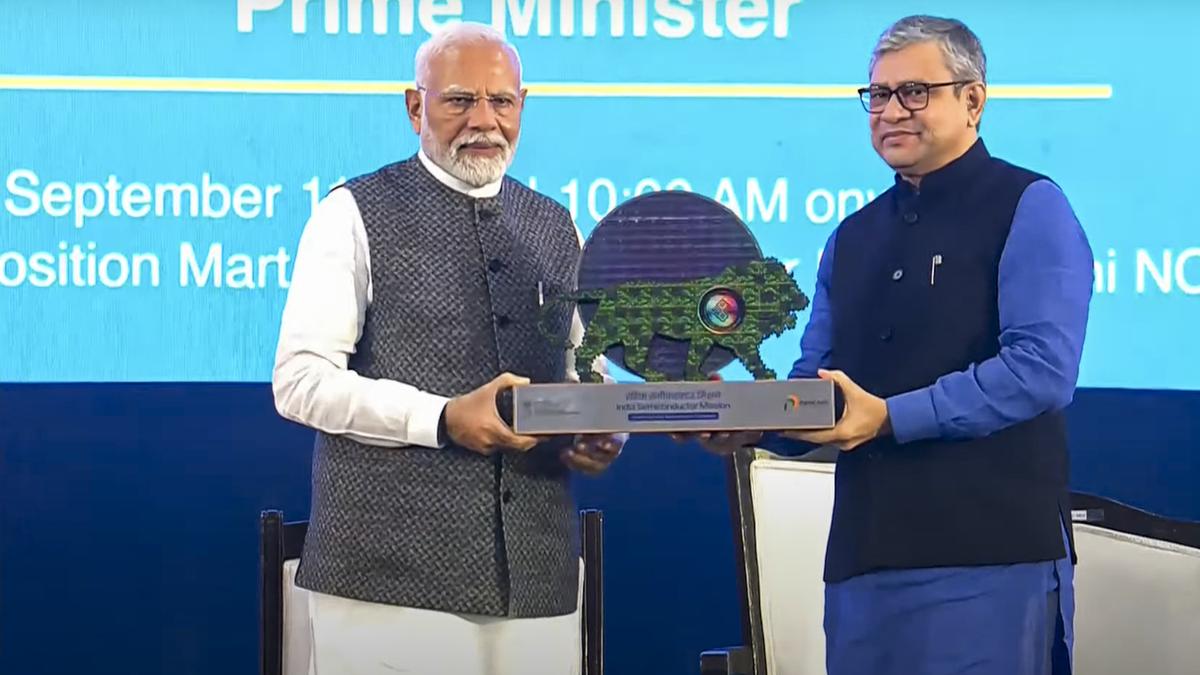
In a landmark announcement that promises to redefine India’s position in the global semiconductor landscape, Union Minister for Electronics and Information Technology, Ashwini Vaishnaw, has confirmed that the Semicon 2.0 policy will be implemented within the next three to four months. This ambitious policy aims to position India as a pivotal player in the semiconductor sector, building on the foundation laid by its predecessor and addressing the evolving needs of a rapidly growing industry.
The Vision Behind Semicon 2.0
The Semicon 2.0 policy represents a significant upgrade from the initial semiconductor policies and is designed to address the complexities and opportunities of the contemporary semiconductor ecosystem. As global demand for semiconductors surges, driven by advancements in technology and digital transformation, India aims to leverage its strategic advantages to become a key hub for semiconductor manufacturing and innovation.
Minister Ashwini Vaishnaw emphasized that the new policy will focus on several critical areas:
- Enhanced Incentives for Manufacturing: The policy is set to offer substantial incentives for semiconductor manufacturers to establish and expand operations in India. These incentives are expected to attract global semiconductor giants and foster the growth of domestic manufacturing capabilities, thereby reducing dependency on imports and bolstering national security.
- Investment in Research and Development: Recognizing the importance of innovation in the semiconductor sector, Semicon 2.0 will prioritize investment in research and development. The policy aims to create a robust R&D ecosystem, encouraging collaborations between industry, academia, and research institutions to drive cutting-edge semiconductor technologies.
- Building a Skilled Workforce: Addressing the need for a skilled workforce, the policy will focus on developing educational and training programs tailored to the semiconductor industry. By nurturing talent and expertise, India seeks to ensure a steady pipeline of skilled professionals capable of driving the sector forward.
- Infrastructure Development: Semicon 2.0 will include plans for substantial infrastructure development, including the establishment of semiconductor manufacturing parks and specialized facilities. This infrastructure will support the growth of the industry and create a conducive environment for innovation and production.
- Fostering Domestic Ecosystem: The policy aims to build a comprehensive domestic semiconductor ecosystem by encouraging the growth of ancillary industries and suppliers. By developing a robust supply chain within the country, India hopes to enhance its competitive edge and ensure the sustainability of its semiconductor sector.
Strategic Implications
The introduction of Semicon 2.0 is poised to have far-reaching implications for India’s technology landscape. By creating a favorable environment for semiconductor manufacturing and innovation, the policy is expected to attract significant foreign direct investment (FDI) and stimulate economic growth. Additionally, it aligns with India’s broader vision of becoming a global technology leader and reducing its reliance on semiconductor imports.
The policy also represents a strategic response to global supply chain disruptions and geopolitical uncertainties that have highlighted the critical importance of semiconductor self-sufficiency. By positioning itself as a key player in the semiconductor industry, India aims to enhance its strategic autonomy and strengthen its role in global technology supply chains.
Implementation Timeline and Next Steps
Minister Ashwini Vaishnaw indicated that the Semicon 2.0 policy will be rolled out in the coming three to four months, with detailed guidelines and implementation plans to be announced shortly. Stakeholders, including industry leaders and policymakers, will be engaged to ensure a smooth transition and effective execution of the policy objectives.
The forthcoming policy marks a pivotal moment in India’s semiconductor journey and reflects the country’s commitment to becoming a global leader in this critical technology sector. As the implementation timeline approaches, industry observers and stakeholders are eagerly anticipating the transformative impact of Semicon 2.0 on India’s technological and economic landscape.
Conclusion
India’s Semicon 2.0 policy is set to usher in a new era of growth and innovation in the semiconductor sector. With its focus on manufacturing incentives, R&D investment, workforce development, infrastructure, and ecosystem building, the policy promises to enhance India’s global competitiveness and secure its position as a key player in the semiconductor industry. As the implementation phase draws near, the semiconductor community and stakeholders are poised to embrace the opportunities and challenges presented by this ambitious initiative.
 Future Tech