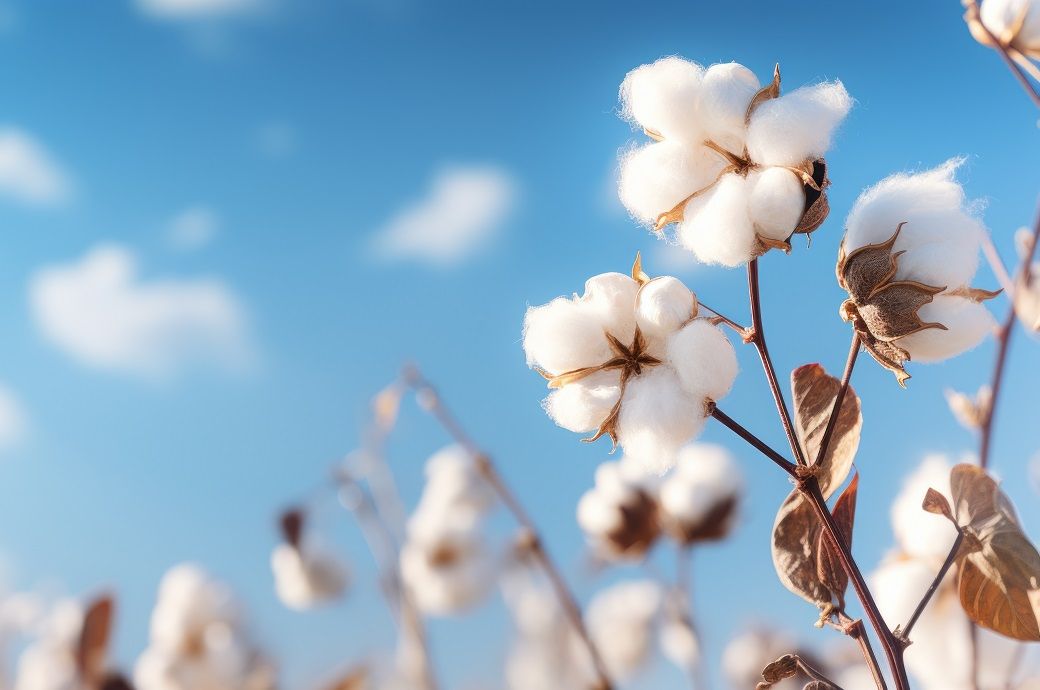
The agricultural sector in Pakistan is facing a significant setback as cotton arrivals have dramatically fallen by 49% at the onset of the new season. This sharp decline in cotton arrivals poses a severe threat to the country’s cotton industry, which has already been grappling with various challenges in recent years. The downturn in cotton supply not only impacts the farmers but also affects the broader textile industry, which is a crucial segment of Pakistan’s economy.
The Current State of Cotton Arrivals
Cotton, often referred to as “white gold,” is a vital crop for Pakistan, contributing significantly to the country’s export revenues and employment. Traditionally, the arrival of cotton in the markets marks the beginning of the harvest season and is a period of high activity for farmers and ginners alike. However, this year, the arrival figures tell a troubling story. According to recent reports, cotton arrivals in Pakistan have plummeted by 49% compared to the same period last year.
This drastic drop has been attributed to a combination of factors including adverse weather conditions, pest infestations, and the delayed sowing of cotton crops. Farmers have reported that unpredictable weather patterns and excessive rainfall have hampered the growth of cotton plants. Additionally, the rise in pest populations has further diminished crop yields, leaving many farmers disheartened.
Impact on the Cotton Industry
The implications of the reduced cotton arrivals are far-reaching. For the cotton industry, which is a cornerstone of Pakistan’s economy, this decline is particularly detrimental. The textile sector, which relies heavily on a steady supply of cotton, is already experiencing challenges due to the lower availability of raw material. This shortage is likely to lead to increased prices for cotton, which could, in turn, drive up costs for textile manufacturers and consumers alike.
Textile mills are facing operational difficulties as they struggle to secure sufficient quantities of cotton. With a reduced supply, mills may be forced to scale back production or even shut down temporarily, leading to potential job losses and decreased economic activity within the sector. This could exacerbate the financial strain on both large-scale and small-scale textile businesses, further complicating an already fragile economic situation.
Factors Contributing to the Decline
Several interrelated factors have contributed to the current decline in cotton arrivals:
- Weather Conditions: Unpredictable and adverse weather conditions have played a significant role in the reduction of cotton yields. Excessive rainfall, coupled with delayed sunshine, has adversely affected the growth of cotton plants. Weather patterns have become increasingly erratic, complicating the management of cotton crops.
- Pest Infestations: The prevalence of pests and diseases has severely impacted cotton production. Pests such as the cotton bollworm have caused extensive damage to cotton plants, leading to lower yields. Farmers have struggled to control these infestations despite their best efforts, resulting in substantial losses.
- Delayed Sowing: The delayed sowing of cotton crops due to the late arrival of monsoon rains has affected the overall growth cycle of cotton plants. When sowing is delayed, it disrupts the timing of the harvest, which in turn impacts the quantity and quality of cotton produced.
- Economic Challenges: Rising costs of inputs such as fertilizers, pesticides, and labor have added to the burden on cotton farmers. With the increased cost of production and lower yields, many farmers are finding it difficult to sustain their operations.
Government and Industry Response
In response to the declining cotton arrivals, both the government and industry stakeholders are seeking measures to mitigate the impact and address the challenges facing the cotton sector. The government has initiated several interventions aimed at supporting cotton farmers and revitalizing the industry:
- Financial Support: The government has announced financial assistance packages for cotton farmers to help them cope with the losses incurred due to reduced yields. This support includes subsidies for inputs and compensation for crop damage.
- Research and Development: Efforts are being made to invest in research and development to improve cotton varieties that are more resistant to pests and adverse weather conditions. The aim is to develop more resilient crops that can withstand the challenges of a changing climate.
- Improved Agricultural Practices: There is a push towards promoting modern and sustainable agricultural practices among cotton farmers. Training programs and workshops are being conducted to educate farmers on effective pest management and optimized farming techniques.
- Infrastructure Enhancement: Enhancements in infrastructure, including better irrigation systems and improved transportation networks, are being prioritized to support the cotton industry and reduce post-harvest losses.
Future Outlook
The outlook for Pakistan’s cotton industry hinges on the effectiveness of the measures being implemented and the ability of the sector to adapt to the changing circumstances. While the current decline in cotton arrivals is a significant concern, there is potential for recovery with concerted efforts and strategic interventions.
The resilience of Pakistan’s cotton sector will depend on various factors including the stabilization of weather patterns, effective pest control measures, and the successful implementation of government policies. Collaborative efforts between the government, industry stakeholders, and farmers will be crucial in overcoming the current challenges and ensuring the long-term sustainability of the cotton industry.
 Future Tech